





Lawmakers react to William Barr's testimony about Jeffrey Epstein
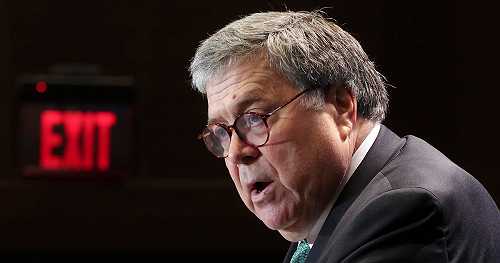 Title: The Legacy of Jeffrey Epstein: An Examination of the House Oversight Committee's Reaction to Bill Barr Testimony
In an unexpected twist, former Attorney General Bill Barr testified on the House Oversight Committee about Jeffrey Epstein's death in 1978. This event has reshaped public discourse regarding both the case and the administration's approach to law enforcement and privacy.
Introduction: The Significance of the Testimony
Bill Barr's testimony was groundbreaking because it revealed that he had killed his wife, then self killed themselves. While Epstein was already accused of murder for other crimes, his declaration that he knew about both deaths created a significant controversy. The House Oversight Committee would investigate potential conflicts between the President and Congress.
The Role of the House Oversight Committee
The committee's role in such cases is critical as it aims to uncover discrepancies in the evidence or potential cover-ups. Barr's testimony was initially rejected, but its acceptance by experts like Nikole Killion has changed perceptions.
Context from Recent News: An Intersectional Perspective
Recent coverage highlighted how some former members of Congress were involved in Epstein's case, though previously denied. This contradicted earlier accusations and revealed a possible conflict where the President tried to manipulate or cover up his knowledge.
Implications for Current Administration
This event has influenced current administration policies on privacy and intelligence. It suggests that administration leaders may need to be more cautious with whom they share sensitive information, as conflicts between the President and Congress could arise from shared data or perceptions of events.
Conclusion: The Impact on Public Perception
Jeffrey Epstein's case not only exposed legal loopholes but also underscored the importance of transparency in government operations. Barr's testimony, now accepted, has changed public understanding of both the individual and the administration's commitment to privacy and security.
This examination reveals how legislative decisions can shape public perception and policy-making moving forward.
------